
As parents age, it becomes harder for them to manage daily tasks on their own. Many families try to provide all the care themselves, but there comes a time when professional support becomes necessary for safety, health, and peace of mind.
Here are some clear signs your elderly parent may need home care support.
Difficulty With Daily Activities (ADLs)
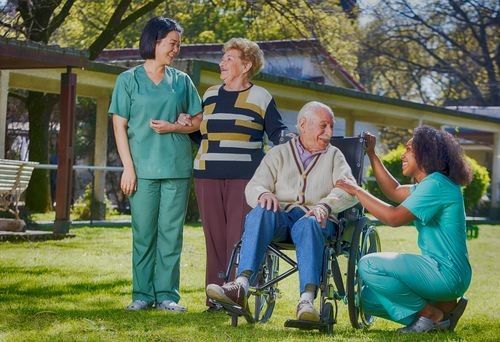
If they find it difficult to bathe, dress, move around, or use the toilet, a caregiver can help maintain safety, hygiene, and independence.
Professional caregivers ensure safety, prevent falls, and maintain hygiene with compassion and dignity.
Forgetfulness or Memory Problems
Signs like forgetting to turn off the gas, misplacing items repeatedly, mixing up medications, or wandering outside unexpectedly may indicate early dementia or cognitive decline.
Home caregivers help monitor behavior, provide medication reminders, and ensure 24/7 supervision if needed.
Unexplained Weight Loss or Poor Nutrition
If the fridge is empty, food is spoiling, or your parent isn’t eating well, it may be due to:
-
Difficulty cooking
-
Loss of appetite
-
Depression
-
Forgetting to eat
A caregiver can assist with meal planning, cooking healthy Ghanaian meals, and ensuring proper nutrition.
Frequent Falls or Balance Problems
Falls are one of the leading causes of injury in the elderly.
Watch for:
-
Unsteady walking
-
Difficulty getting up
-
Bruises
-
Holding onto walls or furniture
A trained caregiver helps with mobility assistance, home safety assessments, and fall prevention techniques.
Poor Personal Hygiene
You may notice:
-
Wearing the same clothes repeatedly
-
Body odor
-
Unwashed hair
-
Long nails
This is often due to fear of falling in the bathroom or physical weakness. A caregiver provides gentle assistance while preserving dignity.
Medication Mistakes
Your parent may:
-
Skip medications
-
Take the wrong dose
-
Mix up pills
-
Forget refill schedules
Medication mismanagement can lead to stroke, high blood pressure crises, or life-threatening complications.
A caregiver ensures accurate medication reminders and monitoring.
Loneliness or Social Withdrawal
Many elderly people in Ghana experience isolation, especially when their children work long hours or live abroad. Signs include:
-
Lack of interest in conversation
-
Staying indoors all day
-
Depression or anxiety
-
Loss of motivation
Home care provides companionship — someone to talk to, listen, and accompany them in daily routines.
Declining Home Cleanliness
Messy rooms, dishes piling up, dirty clothes everywhere, or an unkempt yard may be signs of physical limitations or cognitive decline.
Home caregivers help maintain a clean, safe, and comfortable living environment.
Trouble Managing Finances
If bills are unpaid, mobile money errors occur, or your parent becomes vulnerable to scams, a caregiver can offer supervision and reporting — especially for seniors with memory issues.
Increasing Medical Needs
Chronic conditions such as Hypertension, Diabetes, Stroke, Arthritis, and Dementia require consistent monitoring. A trained home care giver can check vitals, assist with medical routines, and alert family members when something is wrong.
Why Home Care Support Matters in Ghana
Home care ensures your elderly parent:
-
Stays safe at home
-
Maintains independence
-
Receives professional health monitoring
-
Gets emotional, physical, and social support
Most importantly, it gives families peace of mind.
If you notice two or more of the signs above, it may be time to consider professional help.
Honesty Home Care — Compassion You Can Trust
Honesty Home Care provides professional, reliable, and compassionate elderly care services across Ghana, including:
-
Domiciliary care
-
Dementia care
-
Mobility assistance
-
Medication support
-
Companionship
-
Meal preparation
-
Live-in and hourly caregivers
📍 Serving families across Ghana
🌐 www.honestycare.org
📧 contact@honestycare.org
📞 0202707352